
Water Research and studies Complex in Toshka
Overview
The Water Studies and Research Complex in Toshka is one of the research units affiliated with the National Water Research Center. It is located in the far south of Egypt, in Aswan Governorate – Abu Simbel Tourist City. The complex was established as a scientific and applied platform aimed at supporting the state’s plans for sustainable agricultural development through advanced studies in the fields of water, agriculture, and desert climate.
Within the complex is the Water and Agriculture Consultation and Information Unit for South Valley, established on August 4, 2004, to serve as an effective link between scientific research and practical application in the Toshka region. This unit acts as a direct point of contact between its engineers and farmers, beneficiaries, investors, government entities, and all stakeholders in agricultural activities. Its goal is to provide a rapid and efficient mechanism for transferring knowledge and expertise in the fields of water and agriculture, thereby contributing to the optimal use of resources and increased productivity.
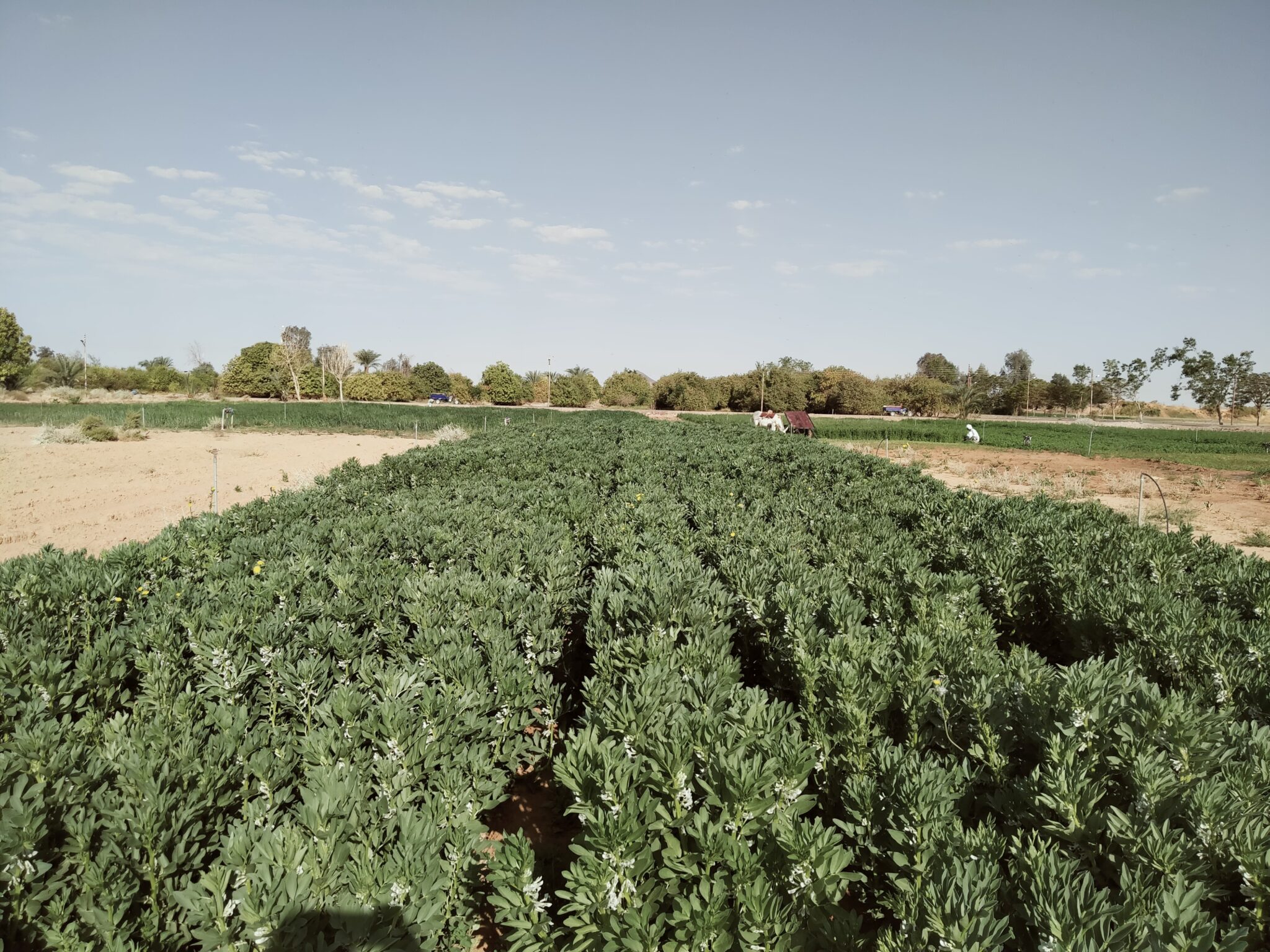
The complex also includes an Agricultural Research Experiment Station covering an area of approximately 170 feddans, where applied experiments are conducted using various irrigation systems, such as surface and subsurface drip irrigation, center pivot and fixed sprinkler systems, and bubbler irrigation. In addition, it hosts a climate observation station for recording meteorological data.
Vision
The Water Studies and Research Complex and the Consultation Unit in Toshka aspire to become a leading center in supporting sustainable development in desert regions through excellence in scientific research and its applications in the fields of water management, smart agriculture, and climate. The complex and the unit aim to become a scientific reference center at both the national and regional levels for developing and implementing smart solutions for water and agriculture management in arid environments, by integrating scientific research with modern technology through:
- Developing advanced systems for estimating crop water requirements using accurate meteorological data and improving water use efficiency through precise climatic calculations (ETo) derived from local weather stations.
- Preserving the quality and safety of Lake Nasser’s water—Egypt’s strategic water reserve—by preventing pollution resulting from agricultural activities, especially in areas adjacent to the lake, through regular monitoring programs in full cooperation with research institutes and the Ministry.
- Utilizing remote sensing technologies and climate change modeling to understand the effects of sustainable agricultural development on the local climate in the Toshka region and to achieve climate-resilient smart agriculture, in collaboration with specialized research entities such as the Climate Change Research Institute.
- Innovating sustainable techniques to improve irrigation system efficiency, such as using soil amendments to enhance water productivity by improving soil quality—particularly increasing the water-holding capacity of sandy soils.
- Optimizing electricity use by integrating renewable energy sources, such as solar energy, to operate groundwater wells.
- Applying artificial intelligence (AI) in the field of irrigation management.
- Employing nanotechnology to enhance irrigation efficiency and increase water productivity.
- Supporting decision-makers by identifying the most suitable strategic crops that contribute significantly to the Egyptian economy—such as improving Egyptian cotton under modern irrigation systems—through cooperative protocols with research institutions and universities like the Cotton Improvement Research Institute.
- Focusing on the cultivation of medicinal and aromatic plants under modern irrigation systems, especially those used in pharmaceutical industries, such as Egyptian henbane, which contains active substances used in anesthetics, and oil-extracting plants like black seed (Nigella sativa).
- Designing a periodic climate bulletin that provides analytical data on weather and agricultural climate conditions along with seasonal crop recommendations based on climate analysis and water needs.
- Developing innovative weed control methods using unconventional techniques that prioritize sustainability and minimize the excessive use of chemical herbicides.
Mission
To provide an exceptional research environment for conducting applied studies related to water use efficiency, irrigation system development, and the assessment of climate change impacts on agriculture. The mission also includes the transfer of modern agricultural technologies and the provision of technical and consultancy support for agricultural development projects in Toshka and South Valley.
Departments
- Technical Consultations Department
- Land Management Group
- Water Management Group
- Agricultural Production Management Group
- Media and Capacity Building Department
- Information and Data Group
- Training Group
- Field Communication and Survey Group
- Publications and Scientific Releases Group
- Experimental Farms Department
- Livestock Farms Group
- Guidance Farms Group
- Laboratories Department
- Water and Plant Lab
- Soil Lab
Area of Expertise
- Estimation of crop water requirements.
- Development and improvement of irrigation systems (surface drip irrigation – subsurface drip irrigation – center pivot irrigation – sprinkler irrigation).
- Climate data analysis and assessment of the impact of climate change on agriculture.
- Design and management of field experiments in desert lands.
- Technology transfer, training, and agricultural extension services for farmers.
- Preparation of water budgets for farms and agricultural projects.
- Provision of technical and consultancy services for institutions and investors.